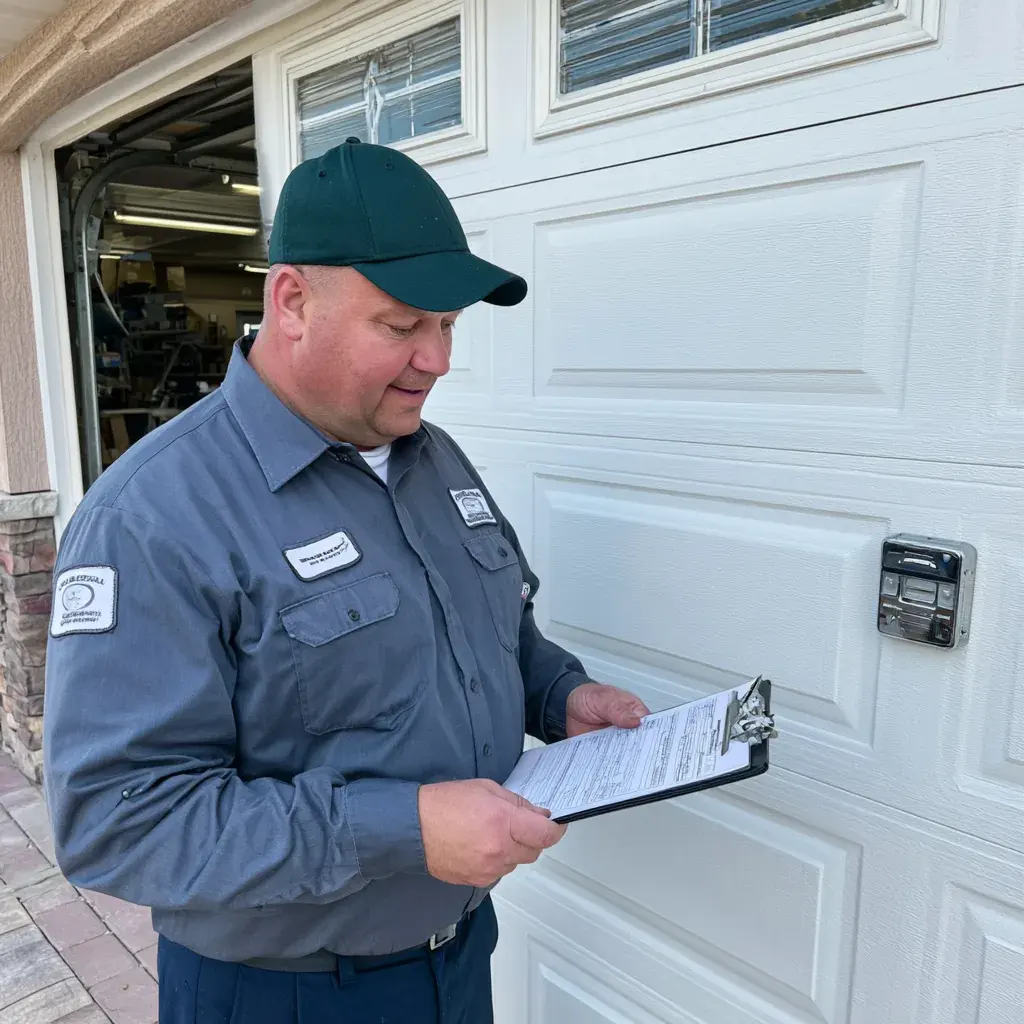
Parts Explained
Garage Door Parts Explained for Franklin, TN
What each part on the door actually does, how it fails, which ones are safe to touch, and what it costs to put right.
Older Openers
A garage door uses springs, cables, rollers, tracks, panels, and an opener as one system. A symptom in one place can come from a different loaded or moving part, so the safe first step is to keep a crooked, unusually heavy, or unsupported door still and ask for a diagnosis and written scope.
The pages below take one part each. What it is for, what it sounds and looks like when it is going, what it takes with it if it is left, and the estimated cost of putting it right in Franklin. Estimated ranges for every job are on the pricing guide.
Part by Part
Every Part on the Door
Questions & Answers
Frequently Asked Questions
Are there garage door parts I shouldn't touch myself?
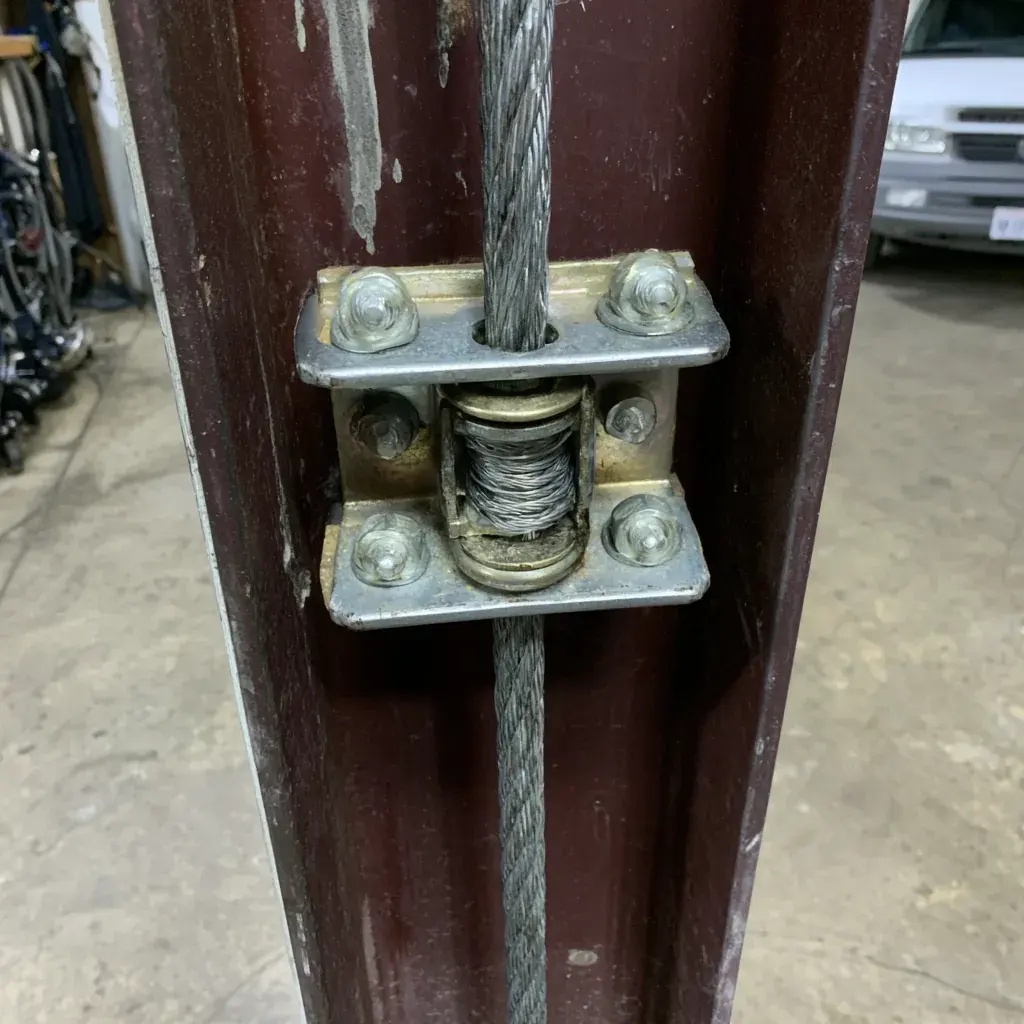
Yes. Leave anything holding the door up or under tension to a pro: springs, the cables running under load, the drums the cables wrap around, and the bottom brackets bolted to the panel. These store enough force to snap a finger or send a cable whipping loose. Franklin homes from Cool Springs to Sullivan Farms use the same wound-spring setups, and the part pages here walk through what each one does before you call anybody.
What noise tells me which garage door part is broken?
Not much, honestly. A squeal can come from a dry hinge or a worn roller, and a loud pop can mean a spring gave out or a cable frayed through. Franklin's older homes downtown near Main Street and newer builds out toward Westhaven wear parts differently, so the sound alone won't tell you which. Check the part pages linked from here to match what you're hearing to what's actually failing.
Do I have to replace the whole door at once?
No. A roller, a hinge, or weatherstripping can usually be swapped on its own without disturbing anything else on the door. That holds true whether the house sits in Westhaven or backs up to Carters Creek. Springs and cables are the exception since they're matched to each other and to the door's weight, so those tend to get replaced together. The individual part pages note which category each one falls into.
How many years do garage door parts usually last?
It depends on the part and how the door gets used, more than on the calendar. Rollers and hinges wear from cycles, not age, so a door opened daily near a Cool Springs office wears faster than one in a quiet Grassland driveway. Humid Middle Tennessee summers and winter cold snaps also age rubber seals faster than metal parts. Each part page here gives a realistic range instead of one number for everything.
Get Started Today
Not sure which part has gone?
Call and describe what the door is doing. Confirm the inspection charge, availability, timing, visit charges, the written scope, and warranty terms directly with the licensed pros we connect you with.
Call (615) 759-0548